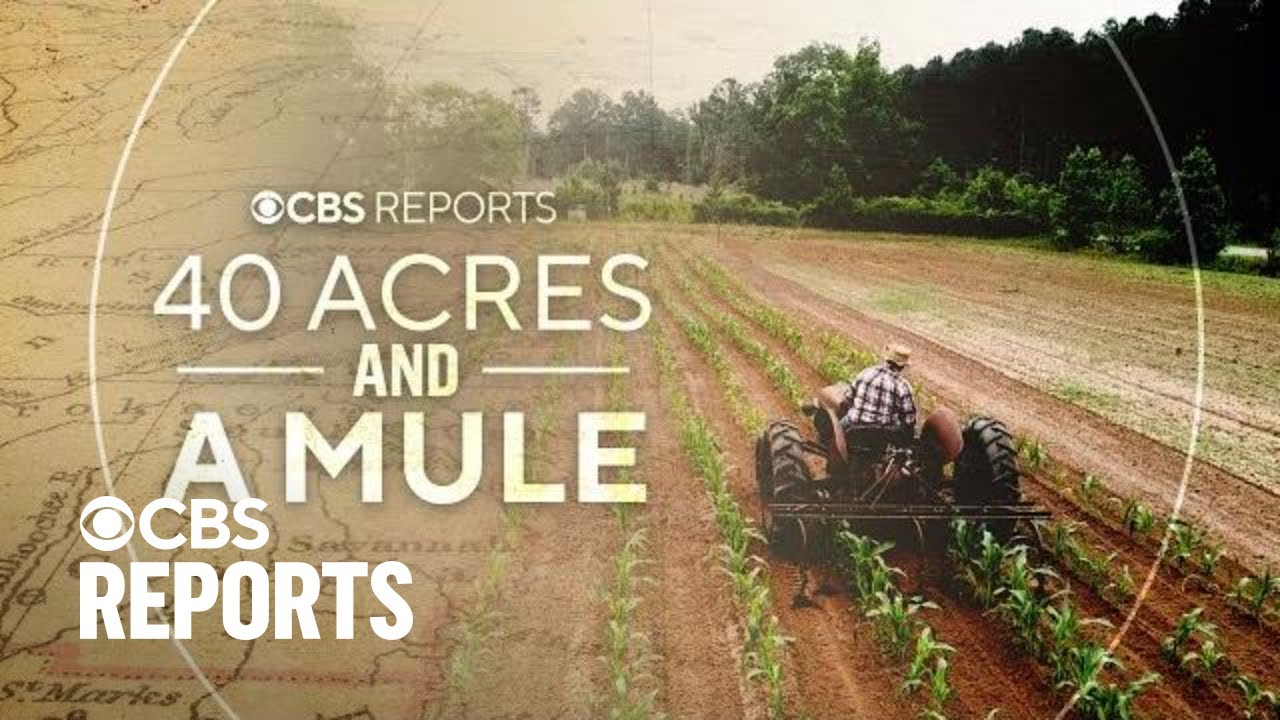
There is a quiet transformation happening across America—one that most people don’t see, but will ultimately shape the next phase of wealth creation.
Data centers.
Not glamorous. Not cultural. Not even particularly visible.
But they are the infrastructure of the modern economy—the railroads of the AI age.
And like every major infrastructure shift in American history, they raise a familiar question:
Who owns the land… and who gets displaced from it?
The Yang: The Opportunity Most Aren’t Positioned For
Data centers require three things:
-
Land
-
Power
-
Connectivity
That’s it.
No storefronts. No foot traffic. No aesthetics.
Just acreage near energy and fiber routes.
Which means that in places like:
-
Northern Virginia
-
Georgia
-
Texas
-
The Carolinas
…land that was once considered ordinary is now being revalued as strategic infrastructure real estate.
This is not theoretical.
This is happening now.
And for those positioned correctly, this represents:
-
Long-term land appreciation
-
Lease income from hyperscalers (Amazon, Google, Microsoft)
-
Infrastructure-adjacent wealth
In other words:
A 21st century land rush hiding in plain sight
The Yin: The Pattern That Feels Familiar
At the same time, there is another story—less discussed, but historically consistent.
Black land.
Black communities.
Black ownership.
Under pressure.
Not always through overt discrimination—but through a combination of:
-
Rising property taxes
-
Zoning changes
-
Heirs’ property fragmentation
-
Strategic acquisition by developers
The result?
Land that has been held for generations—often without formal legal protection—becomes vulnerable at the exact moment it becomes valuable.
This is not new.
It is a continuation.
From:
-
Post-Reconstruction land loss
-
USDA-era farm dispossession
-
Urban renewal
To now:
Digital infrastructure expansion
The Core Tension
This is where the real conversation begins.
Because we are witnessing something paradoxical:
Black America is simultaneously under-positioned for acquisition and over-exposed to displacement.
On one side:
-
A new asset class is emerging
-
Land is being revalued
-
Capital is flowing
On the other:
-
Existing ownership is fragile
-
Legal structures are weak
-
Communities are reactive, not strategic
This Is Not Just About Race—It’s About Positioning
It’s important to be precise here.
Data centers are not being placed “because” communities are Black.
They are being placed where:
-
Land is available
-
Power is accessible
-
Resistance is limited
However…
Historically, those conditions have often overlapped with:
Black-owned or Black-adjacent land
Which means the outcome—regardless of intent—can still produce:
-
Displacement
-
Wealth extraction
-
Lost generational leverage
The Strategic Question
So the real question is not:
“Is this fair?”
The real question is:
“How do you position yourself within it?”
Because there are only two roles available:
-
The seller under pressure
-
The owner with leverage
Toward a New Framework
If this moment is to be different, it requires a shift from:
-
Awareness → Strategy
-
Reaction → Positioning
-
Individual ownership → Structured ownership
This means:
-
Formalizing land titles (ending heirs’ property vulnerability)
-
Using trusts and LLC structures
-
Identifying infrastructure corridors early
-
Thinking in terms of holding, not flipping
The Bottom Line
This is not just a land story.
It is a systems story.
The same wave that is creating:
- Billion-dollar opportunities
Is also capable of repeating:
- Century-old patterns
The difference this time will not be awareness.
It will be:
Ownership strategy
BWO Closing Thought
“In every era, wealth follows infrastructure.
The question is never whether the opportunity exists—
it’s who is positioned to capture it, and who is positioned to lose it.”