For years, I’ve argued that one of the greatest structural weaknesses in Black economics is that we are disproportionately positioned as talent inside systems we rarely own.
We become:
-
the athlete
-
the singer
-
the comedian
-
the influencer
-
the “face”
…but seldom the infrastructure.
That distinction matters more than people realize.
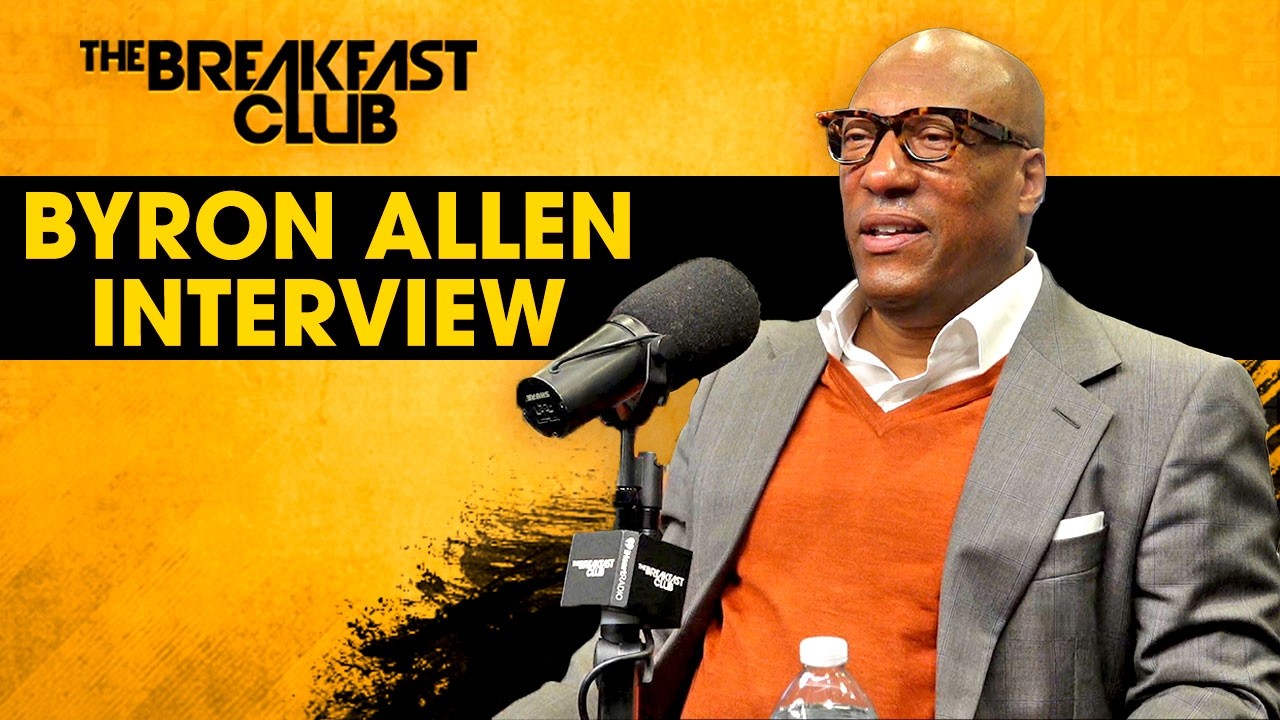
Which brings me to media mogul Byron Allen.
A lot of folks still mistakenly view Byron Allen through the lens of “former comedian” or “that guy from Comics Unleashed.” That framing misses the actual story entirely. Allen may quietly be one of the most important Black business figures in modern America because he appears to understand something many do not:
Distribution is power.
Not virality.
Not celebrity.
Not temporary relevance.
Infrastructure.
While much of modern media chases outrage algorithms, influencer culture, and disposable attention spans, Allen has spent years methodically acquiring:
-
television stations
-
cable networks
-
ad inventory
-
syndication rights
-
weather infrastructure
-
digital media properties
-
late-night television real estate
That is not celebrity behavior.
That is institutional behavior.
The recent CBS late-night deal is especially fascinating because most people are analyzing it from the wrong angle. They see:
“Comics Unleashed takes over late night.”
But the real story is:
Byron Allen leased the infrastructure.
That is a fundamentally different mindset.
Instead of waiting for gatekeepers to approve him, Allen essentially said:
“I’ll lease the gate myself.”
That “time-buy” strategy is critical to understand.
Traditionally, television networks control:
-
programming
-
advertising inventory
-
monetization
-
syndication leverage
Allen’s arrangement reportedly allows him to directly monetize ad revenue while controlling the programming block itself. In other words:
-
he assumes risk
-
but he also controls upside
That is ownership logic.
And this connects directly to larger conversations we have here at BWO regarding institutional economics versus personality economics.
Too often Black success stories become singular extraction stories:
-
one star emerges
-
the collective weakens
-
the institution dissolves
-
the ecosystem disappears
We’ve seen this pattern repeatedly in:
-
music
-
sports
-
entertainment
-
fashion
-
media
The talent survives.
The institution rarely does.
Byron Allen appears to be attempting something different:
building scalable media infrastructure that survives beyond individual celebrity.
Even his acquisition history reflects this mentality.
People joked about The Weather Channel acquisition years ago.
But weather is not “just weather.”
Weather intersects with:
-
insurance
-
logistics
-
agriculture
-
transportation
-
climate analytics
-
emergency response
-
advertising
-
streaming data
-
predictive systems
That purchase may have been far more strategic than many understood at the time.
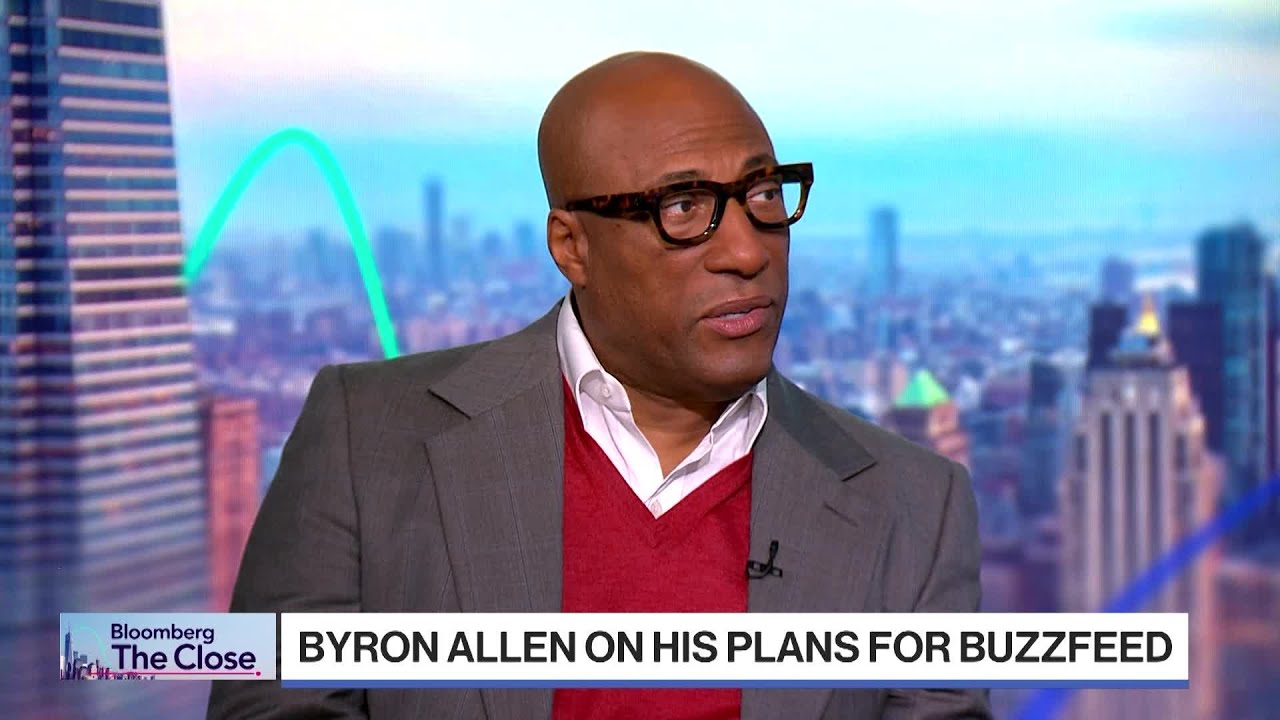
Likewise, the BuzzFeed acquisition is interesting not because BuzzFeed is culturally dominant anymore, but because Allen appears to understand the value of:
-
digital distribution
-
audience pipelines
-
searchable media libraries
-
ad ecosystems
-
scalable content infrastructure
Again:
infrastructure.
Not merely attention.
And perhaps that is where Black economic discourse still has room to mature.
We often discuss:
-
participation
-
visibility
-
representation
But ownership of pipelines is a different conversation entirely.
Who owns:
-
the network?
-
the platform?
-
the distribution?
-
the servers?
-
the ad inventory?
-
the licensing?
-
the syndication?
-
the algorithmic flow of attention?
That is where durable power resides.
This is also why I find platforms like Fundify and even the concept of “autopilot investing” interesting from a broader strategic perspective.
Historically, many Black Americans have had limited participation in:
-
venture funding
-
startup equity
-
early-stage ownership
-
scalable media investments
What happens if technology lowers the barrier to coordinated investing?
What happens when ordinary people can algorithmically allocate capital toward:
-
startups
-
media infrastructure
-
AI ventures
-
ownership ecosystems
Could decentralized micro-investment become a modern mechanism for collective capital formation?
That remains to be seen.
But Byron Allen’s rise should force a larger conversation:
What if the future is not merely about becoming the star…
…but owning the pipeline the stars must travel through?
That is a very different level of power.